Guides
Coaching Institute Bags: A Bulk Guide for JEE, NEET and Foundation Batches
How coaching institutes in India choose, brand and order bags in bulk for JEE, NEET, foundation and board batches: sizes, capacity, timelines and budgets.
Key takeaways
- A coaching institute bag is a branded backpack or side bag given to enrolled students, usually in the admission kit. It carries study modules every day and puts the institute's name out on the street.
- Foundation batches need lighter, school-style backpacks. Droppers and senior JEE or NEET batches need bigger backpacks with a padded laptop or tablet sleeve and strong shoulder straps.
- Size the bag by how thick your modules are. A typical senior student carries two to four modules plus notebooks, a bottle and often a device, which usually needs around 25 to 35 litres.
- Order before each admission season, not during it. A branded sample has to be approved first, and bulk dispatch usually takes 7 to 21 days after that.
- Chains with several centres can place one order split across many delivery addresses. Keep the approved sample and spec sheet so repeat orders match.
What are coaching institute bags, and why do institutes give them?
Coaching institute bags are branded backpacks or side bags that an institute orders in bulk and hands to enrolled students, usually as part of the admission or enrolment kit. They carry the institute's name and logo, often the course or batch too, and they're built to take heavy study modules every day. For JEE, NEET, foundation, board and competitive exam coaching, the bag is one of the most visible things an institute gives out.
Why bother? Mostly practical reasons. A bag is a moving signboard: thousands of students walking to class in Kota, Delhi, Hyderabad or Patna carry your name past parents, schools and rival centres every single day. Students are proud of the bag too, especially in the first few weeks, and it helps them feel part of the batch. And it gives the enrolment kit a proper home for modules, test booklets, ID cards and a notebook set.
SAM supplies coaching institutes across India, including ALLEN and Aakash. So this guide is built around the questions institute admin and purchase teams tend to ask us before they order.
Which bag suits which batch?
The biggest mistake we see is giving every batch the same bag. A Class 7 foundation student and a 19-year-old dropper preparing for NEET have very different loads, commutes and expectations. Match the bag to the batch and students will actually use it.
| Batch type | Suggested bag | Capacity guide | Key features |
|---|---|---|---|
| Foundation (roughly Classes 6 to 10) | School-style backpack, light build | About 18 to 25 litres | Light empty weight, padded straps, chest strap, bottle pocket, bright course colour |
| Board exam and school integrated batches | School or college backpack | About 22 to 28 litres | Two main compartments to separate school books from coaching modules, rain-resistant fabric |
| JEE or NEET two-year (Classes 11 and 12) | College backpack | About 25 to 32 litres | Wide main compartment for A4 modules, padded back panel, strong bar-tacked straps |
| Droppers and repeater batches | Laptop backpack | About 28 to 35 litres | Padded laptop or tablet sleeve, organiser pocket, sternum strap, durable base |
| Competitive exams (banking, SSC, civil services) | Laptop backpack or laptop side bag | About 20 to 30 litres | Professional look for older students, device sleeve, slimmer profile |
| Short crash courses and test series | Light backpack, sling or tote | About 10 to 20 litres | Low cost per piece, large print area, easy to carry to test centres |
These capacities shift with module thickness and how many subjects a student carries on a given day, so treat them as a starting point. Take a real day's load (modules, notebooks, bottle, lunch box, device) and pack it into a sample before you lock the size.
Foundation batches: think school bag, not adult backpack
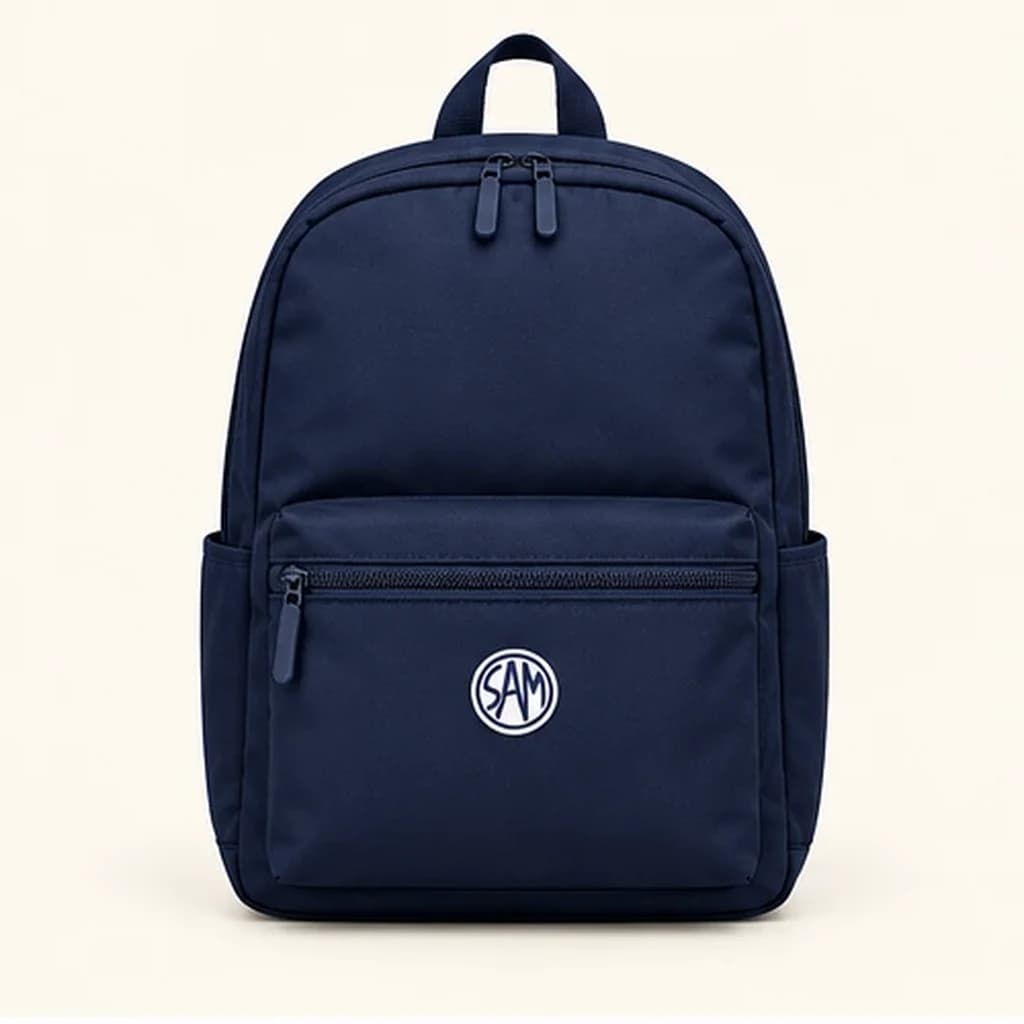
Younger students are smaller, and they often carry their school bag on the same day. India's School Bag Policy 2020 suggests a loaded school bag of about 10 percent of a child's body weight. That's a useful guide for foundation students as well. Keep the empty bag light, and skip oversized bags that just invite overpacking. Our guide to school bag size by class explains how to pick dimensions for each age group, and bulk school bags shows the range that suits these batches.
Senior batches and droppers: carry capacity and a device sleeve
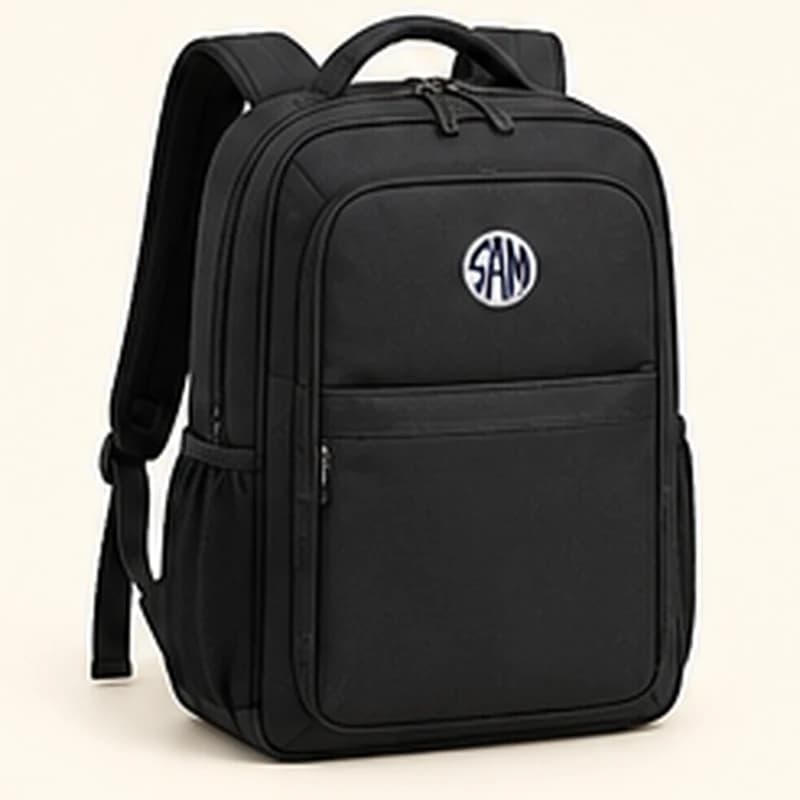
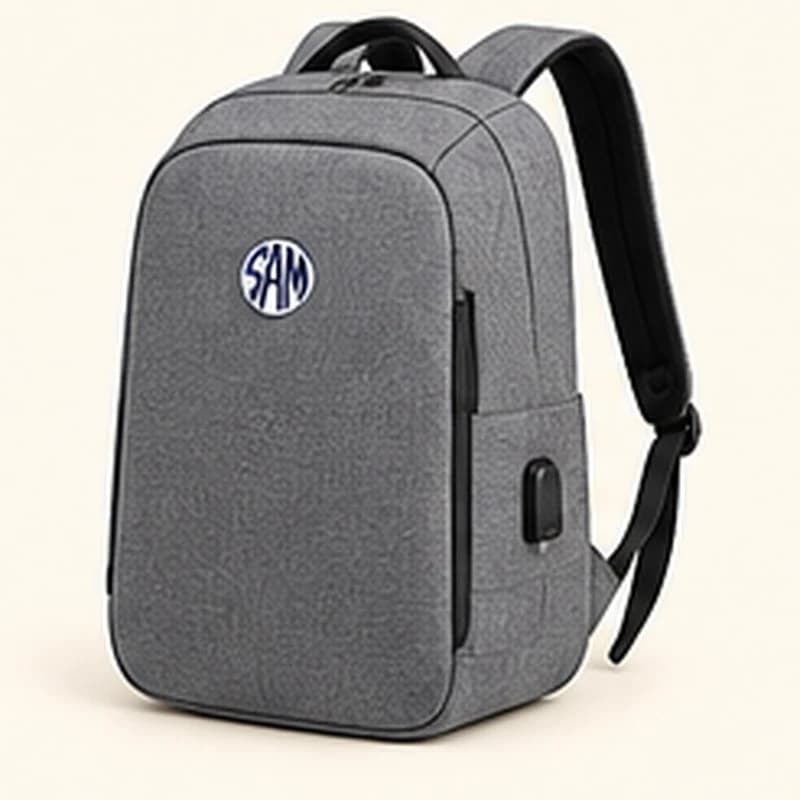
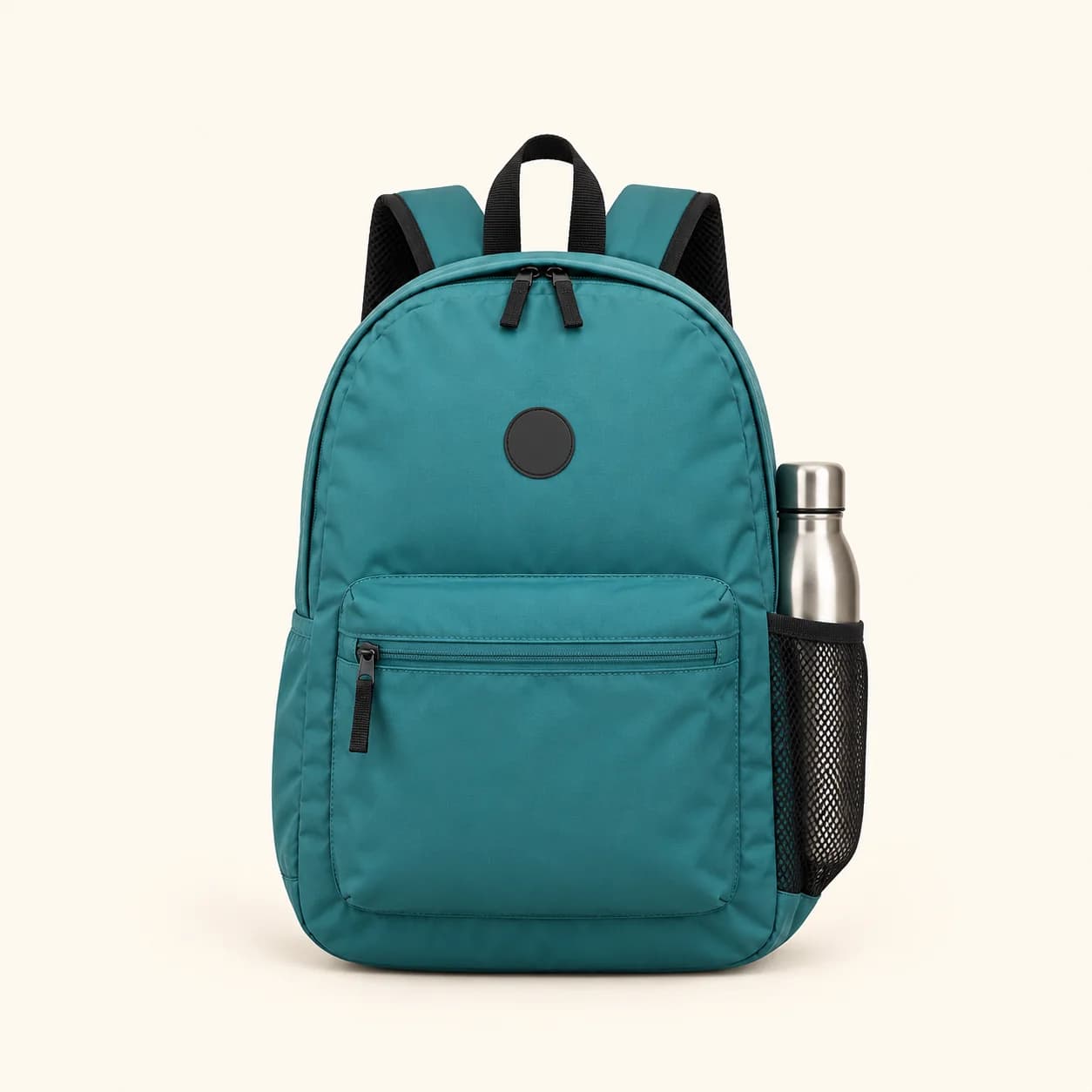
Senior JEE and NEET students lug thick modules, DPP sheets, a register for each subject and often a laptop or tablet for recorded lectures and online tests. They need a properly padded device sleeve, a wide opening that takes A4 modules without bending them, and straps that can handle heavy loads day after day. Bulk college backpacks are the usual fit here.
How much capacity do coaching students really need?
Capacity is a bag's internal volume, measured in litres. For coaching students, the right number depends on module size and how many subjects are taught in a day. A typical senior student carries two to four modules, a few notebooks, a bottle and often a device. That usually fits in around 25 to 35 litres.
- Measure your modules. Most coaching modules are A4 or close to it. The main compartment should take an A4 module lying flat with a bit of room to spare, so the pages don't curl.
- Count the daily load, not the term load. Students rarely carry every module at once, so plan for the heaviest regular day.
- Keep devices away from books. A dedicated padded sleeve stops a laptop or tablet getting crushed between heavy modules.
- Add a front organiser. Pens, a calculator (where it's allowed), ID card, earphones and a geometry box shouldn't end up lost at the bottom.
- Plan for a bottle and tiffin. Coaching days are long, so two side pockets or one deep bottle pocket are worth having.
What makes a coaching bag last through long days and daily commutes?
Coaching students often spend eight to twelve hours a day between school, coaching and self-study, getting around by bus, auto, cycle or on foot. A bag that looks great in month one but tears at the strap by month three doesn't help the institute's image. It hurts it.
- Strong strap joints. Look for bar tacks (dense reinforcing stitches) where the shoulder straps meet the body. That's where heavy module loads pull hardest.
- Lock stitching on the seams. It holds better than chain stitch, which can unravel if a single thread breaks.
- Reliable zips. The main zip gets opened and closed several times a day. A good quality zip, like those from well known makers such as YKK, is worth it on the main compartment.
- Sensible fabric. Denier measures fibre weight, not strength on its own. So judge the fabric by its weave, coating and how it stands up to abrasion, not just the number.
- Some rain resistance. In the monsoon, a coated fabric and a covered zip help keep printed modules dry.
- A padded back and straps. Comfort really matters when a student's carrying five or six kilograms for hours.
For a fuller list of what to check on a sample, see how to identify a good quality bag.
When should coaching institutes order bags?
Before each admission season, not during it. Most coaching institutes run several intakes a year: a big one for new academic batches around the start of the school session (typically spring to early summer), a dropper or repeater intake after board and entrance results, and smaller mid-year and crash course batches. The exact timing varies by institute and exam, so map out your own calendar first.
A branded sample gets approved before the full run, and bulk dispatch usually follows 7 to 21 days after approval. So work backwards from the date the first kits have to be ready.
- List every intake you expect in the year, with a rough count of students per batch type.
- Give yourself a week or two for the enquiry, the quote and choosing bag styles.
- Leave time for the branded sample to be made, sent and approved by your team.
- Add the dispatch window confirmed in the written quote, plus transit to each centre.
- Keep a buffer for late admissions, so you don't run short in the second week of the batch.
Splitting an order by batch and centre
Coaching bags usually come in one size per style. So "sizing" really means picking the right style and capacity for each batch, then counting quantities. Build a simple sheet with one row per centre and one column per batch type.
- Quantity per centre and per batch type (foundation, senior, dropper, crash course).
- The bag style and colour for each batch type.
- Branding for each line: institute logo, course name, and a batch code if you use one.
- The delivery address, contact person and phone number at each centre.
- A spare quantity for late joiners and replacements, often a small percentage of the batch.
Bulk orders at SAM start at 25 pieces, and you can mix different products in one order. They still count together for volume pricing. So a small centre can order a few foundation backpacks alongside senior laptop backpacks without hitting a minimum on each style. Our bulk bag requirements checklist lists everything to have ready before you send an enquiry.
Delivering to centres in many cities
Big coaching chains often run centres in a dozen or more cities. Shipping everything to head office and then sending it back out wastes time and freight. It's better to place one order, split it across several delivery addresses, and label each carton by centre and batch.
Ask your supplier to pack each centre's quantity separately, mark the batch type on the carton, and share dispatch details for each address. Kota, with so many coaching students in one place, is a common hub. See bulk bags in Kota for how orders there are handled, and bulk orders by city for other locations.
How should a coaching institute brand its bags?
Good branding reads clearly from across the road and still looks neat after a year of daily use. Put the institute name and logo large on the front panel. Save the smaller areas for the secondary details.
- Institute name and logo on the front panel, the most visible spot on the street.
- The course or batch name (for example "JEE Advanced", "NEET", "Foundation") on a front pocket or strap.
- Colour coding by course, like one bag colour for medical, another for engineering, another for foundation. Staff can spot batches at the gate, and students get a sense of identity.
- Contact details or a website on a side panel, if you want the bag working as advertising.
- Reflective trim or a light colour for students who walk home after evening classes.
Branding methods include embroidery, screen printing, heat transfer, woven or rubber patches and metal badges. Embroidery and patches tend to look more premium and wear well on senior batch bags. Screen printing suits large, bold logos on high-volume foundation bags. Our post on embroidery vs printing on bags compares the options in detail.
Matching repeat orders and budgeting per student
Keeping repeat orders consistent
Students notice when the second batch's bag looks different from the first. To keep repeat orders matching, save the approved sample and a written spec: bag style, fabric colour, logo artwork file, Pantone or thread colour references, branding method, and the position and size of the logo. Quote these on every reorder. If anything changes, such as a fabric lot, ask for a fresh sample.
Budgeting per student
What you spend per student depends on bag style, capacity, fabric, how many branding positions you want and the order quantity. A light foundation backpack with one screen print will cost much less per piece than a padded laptop backpack with embroidery and a patch. Many institutes set a budget band for each batch type and fold the bag into the enrolment kit cost, instead of treating it as a separate expense.
Tax on bags varies by HSN code and material, so check the GST line on your written quote rather than assuming a rate. For a breakdown of what drives the per-piece price, read bulk bag price per piece.
How SAM handles coaching institute orders
SAM supplies branded bags to coaching institutes, including ALLEN and Aakash. It's the same process for a single centre or a national chain.
- You send us batch types, quantities and centres through the bulk enquiry form, and we reply within 1 working day.
- Bulk orders start at 25 pieces. You can mix different bag styles in one order, and they count together for volume pricing.
- We send a physical branded sample for your approval before the full run.
- Dispatch is usually 7 to 21 days after sample approval, confirmed in the written quote.
- Every piece is inspected for stitching, zips and finish before it's dispatched.
- One order can be split across several delivery addresses, and every bulk order comes with a GST invoice.