Guides
Bulk Bag Price Per Piece in India: What Decides It and How to Compare
What sets the price per piece of bulk bags in India: fabric, hardware, branding, quantity tiers, packaging, delivery and GST, and how to compare quotes fairly.
Key takeaways
- What you pay per piece for a bulk bag mostly comes down to bag type and size, fabric and thickness, hardware, construction, branding, quantity, packaging and delivery.
- Prices per piece drop with volume because setup costs like sampling, embroidery files, screens and cutting get shared across more pieces.
- If the supplier counts different styles together, mixing them in one order can get you into a better quantity tier.
- GST depends on each bag's HSN code and material. Check the rate on the quote and the GST invoice instead of assuming one figure.
- Compare two quotes line by line on the same spec, branding, packaging, delivery and lead time. Never on the headline number alone.
- A quote that's far below the market usually hides something: thinner fabric, cheaper zips, weaker stitching, or extras that turn up later.
What decides the price per piece of a bulk bag?
Eight things decide what a bulk bag costs per piece: the bag type and size, the fabric and its thickness, coatings, zips and hardware, padding and compartments, construction and stitching, branding, and how many you order. Packaging, delivery, lead time and GST then sit on top of that base price.
Put simply, price per piece = materials + labour + branding + a share of setup costs + packaging and freight, before tax. Every quote you get is some version of that sum, even when it shows up as a single number.
We'll walk through each driver so you can compare quotes fairly. It works the same for a school ordering for the April session, a coaching institute kitting out a new batch, or a company planning Diwali gifts. Still not sure which bag to order? Start with our guide to the best bags to buy wholesale.
How bag type, size and fabric change the price
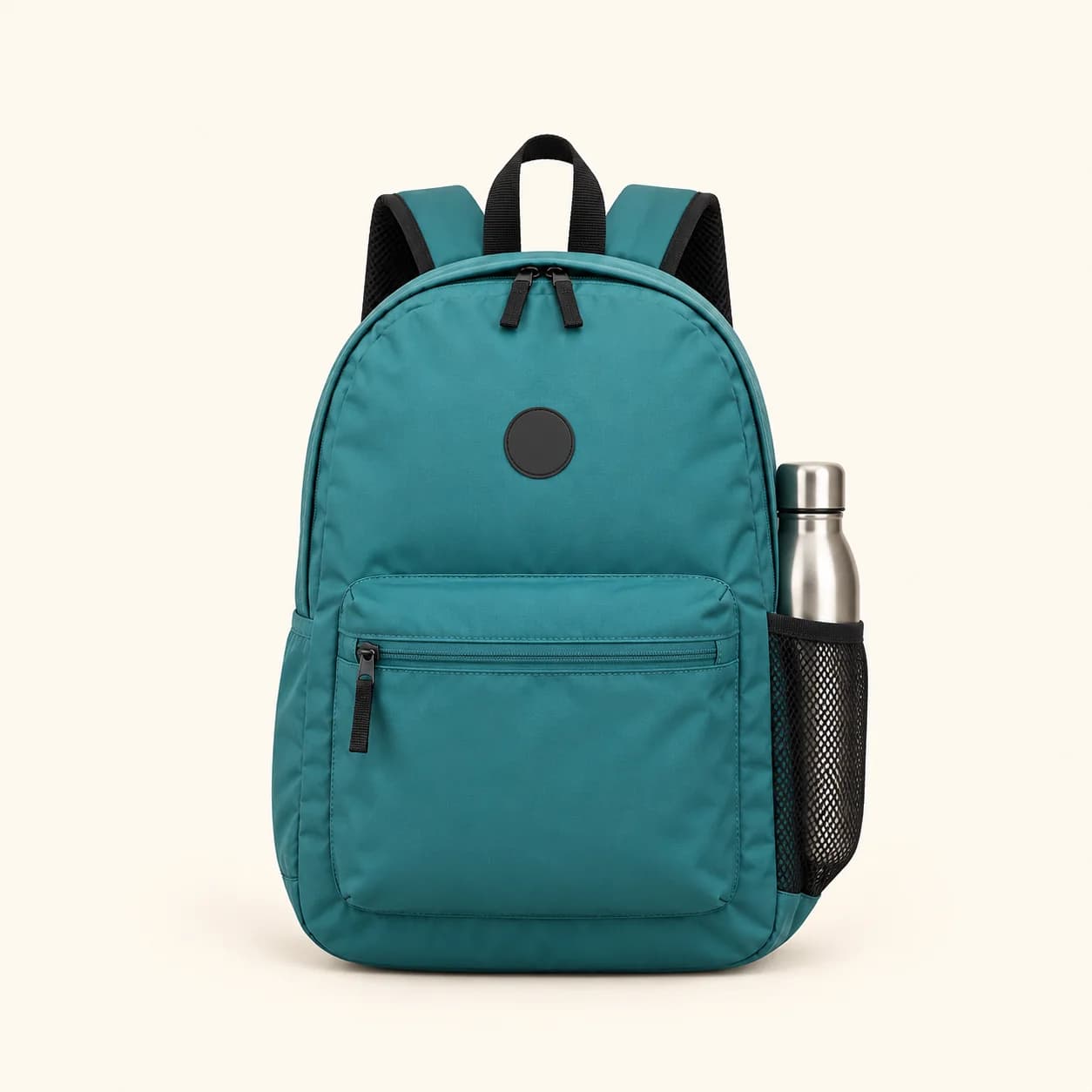
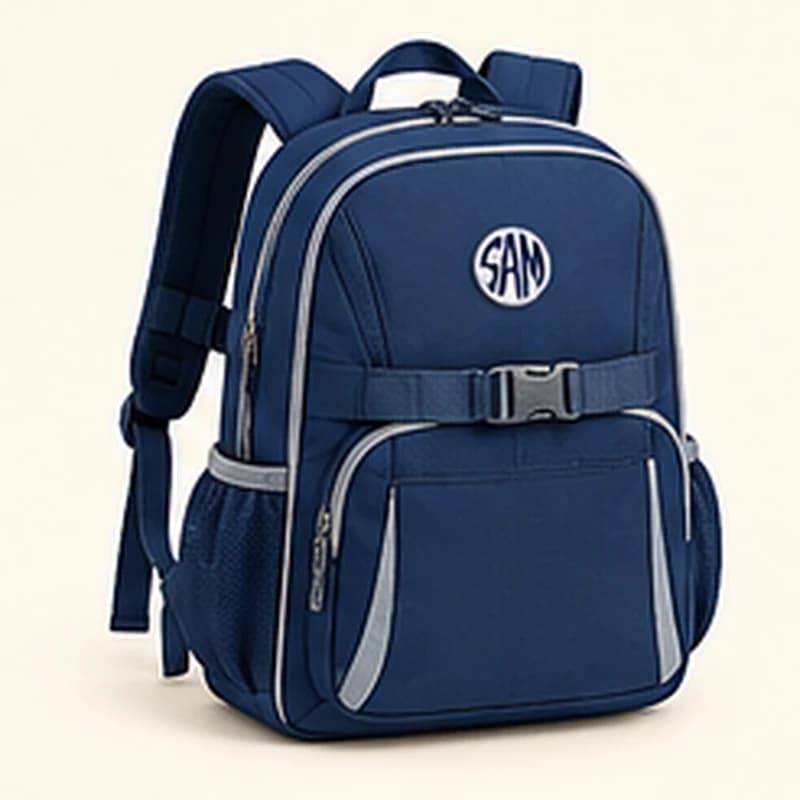
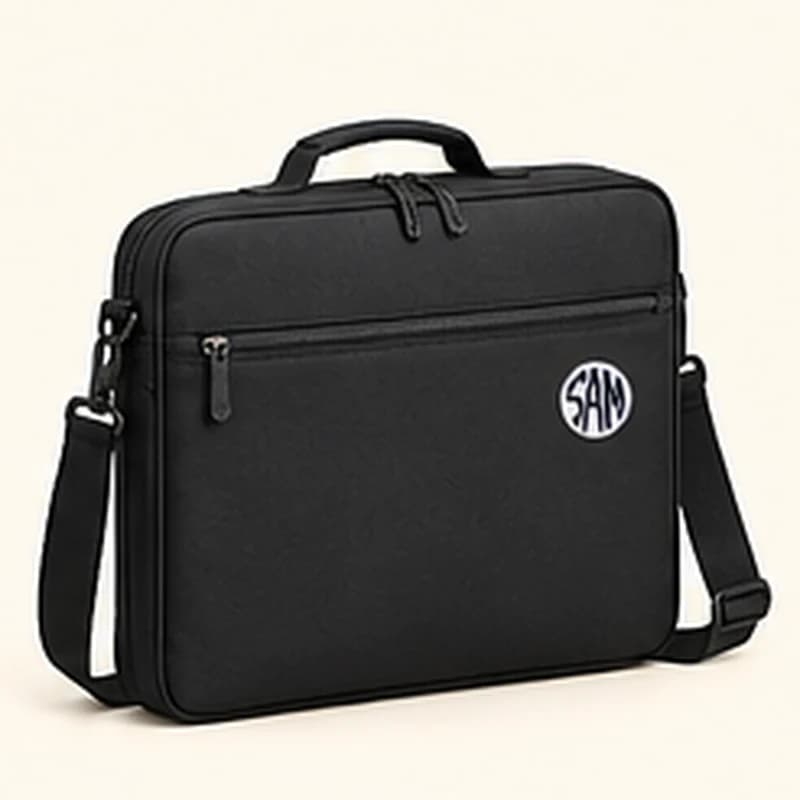
Bag type sets the starting point. A simple tote or drawstring bag uses little fabric and only a few operations. A padded laptop backpack or a trolley-ready travel pack needs lots of panels, more hardware and far more stitching time. And a bigger bag in the same style uses more fabric, so size moves the price even when the design doesn't change.
Fabric and its thickness
Most bulk bags use polyester, nylon, canvas or a blend. Fabric weight is often given in denier, which measures the weight of the fibre. It doesn't tell you strength on its own. A heavier denier usually costs more, but the weave, the yarn quality and the coating matter just as much to how long the bag lasts.
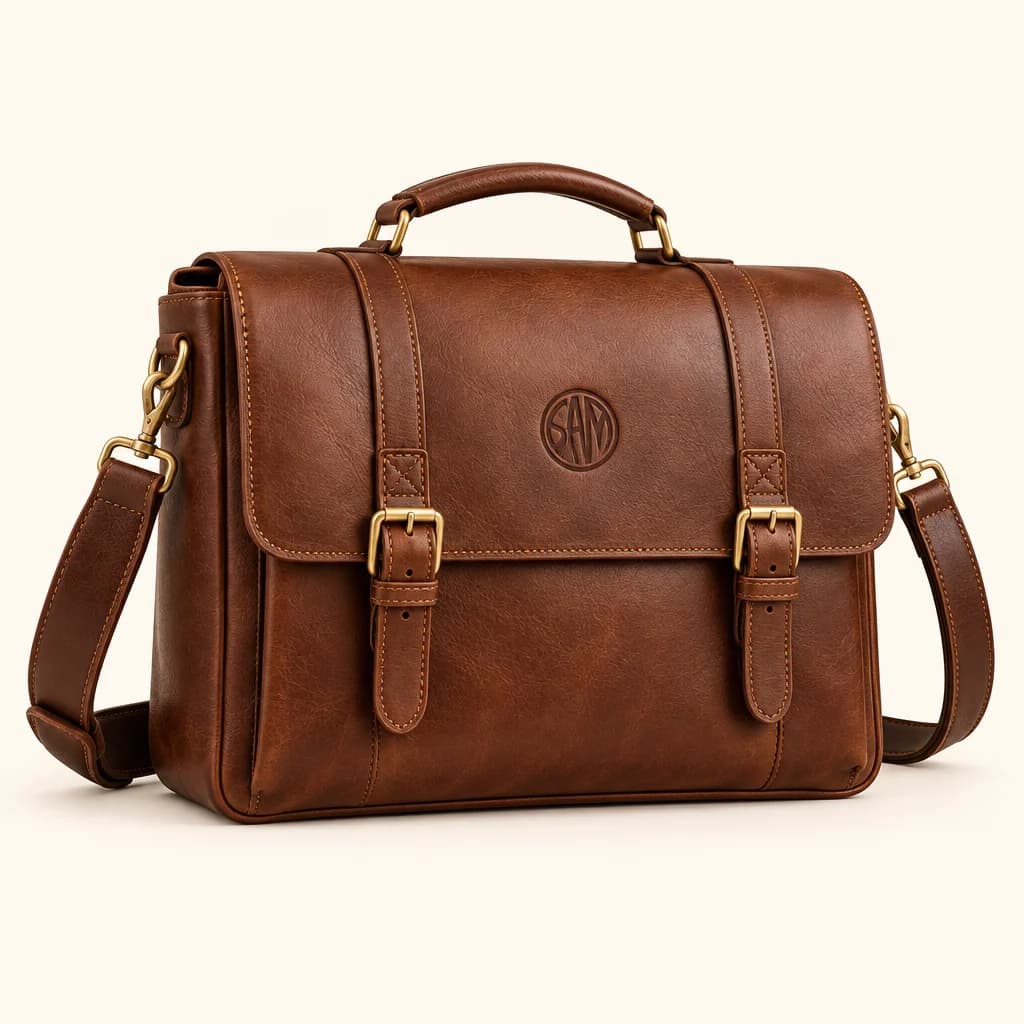
Canvas is usually described by weight per area, not denier. Thicker canvas costs more and feels more premium, which is why it suits canvas bags and totes meant for gifting.
Coatings
A PU or PVC backing on the inside of the fabric adds water resistance and body. It nudges the material cost up a little. For school and college bags that get carried through the monsoon, we'd say it's usually worth it. Ask whether the quote includes a coating, and on which panels.
Zips, padding and stitching: the cost you can't see in a photo
Two bags can look identical in a catalogue photo and still be priced very differently. The gap usually sits in the parts a photo doesn't show.
- Zips: zip size, coil or chain type, and brand all change the cost. A branded zip from a well known maker such as YKK costs more than an unbranded one, and the slider and puller quality matter too.
- Hardware means buckles, adjusters, D-rings, hooks and metal pullers. Metal and heavier plastic cost more than thin moulded parts.
- Padding on the back panel, straps and laptop sleeve adds material and labour. Thicker or ventilated foam costs more.
- Every extra pocket, organiser panel or bottle holder means more cutting, more panels and more stitching.
- Lining: a full inner lining adds fabric and a finished look. An unlined bag is cheaper, but you'll see raw seams.
- Stitching and construction: lock stitch, bound seams and bar tacks at stress points take longer than a basic chain stitch. They're also what stops straps tearing off in the first term.
And these are exactly the places a cheap quote saves money. Our guide on how to identify a good quality bag shows you how to check each one on a sample.
How much do custom logo bags cost compared with plain bags?
A custom logo bag costs more than a plain one, because branding adds setup work and per-piece work. How much more comes down to the branding method, the number of colours and the number of positions.
- Method: for simple logos at volume, screen printing is usually the cheapest. Embroidery costs more per piece and depends on stitch count. Heat transfer suits detailed, multi-colour artwork. Woven or rubber patches and metal badges are a separate component that has to be made first.
- Colours: in screen printing, each colour usually needs its own screen and its own pass. So a four-colour logo costs more than a one-colour logo.
- A logo on the front pocket is one operation. Add a strap print and a back panel print and that's two more.
- A larger embroidered logo means more stitches and more machine time.
For a closer look at the methods, read embroidery vs printing for logo branding. If the budget's tight, one well placed one-colour logo often looks cleaner than three busy positions anyway. There's more on the options for custom logo bags too.
Why the price per piece falls as quantity rises
Some costs are fixed for every order, and that's why the price per piece drops with volume. Making the sample, preparing embroidery files or print screens, setting up cutting and briefing the production line cost about the same for a small order as a large one. Spread over more pieces, each bag carries a smaller share.
Bigger orders also mean fabric can be bought and cut more efficiently, and the stitching line speeds up once it settles into a rhythm. So suppliers quote in quantity tiers: one price for a band of quantities, a lower price for the next band, and so on.
Mixing products to reach a tier
Lots of buyers need more than one bag type. School bags for junior classes and backpacks for senior classes, say, or laptop bags for staff and totes for an event. If a supplier counts mixed styles together for volume pricing, putting them in one order can lift the whole order into a better tier. Ask this directly. Not every supplier does it.
Packaging, delivery, lead time and GST
Packaging
Bulk bags usually go several to a carton. Individual polybags add a small cost and keep each bag clean in storage. Branded boxes, tissue or tags for gifting add more. So decide what you actually need. A school handing bags out in classrooms rarely needs boxes, but a corporate welcome kit might.
Delivery to one or many addresses
One delivery address is the simplest. Splitting an order across several branches, campuses or city offices adds handling and freight for each address. Check whether the quote says delivery's included, to which addresses, and whether unloading is down to you. Our shipping page explains how deliveries work.
Lead time and rush orders
A normal lead time lets the supplier plan fabric and line time. A rush order, like bags needed a week before the school session or a Diwali dispatch date, may cost more because of overtime or express freight. Planning early is honestly one of the easiest ways to save.
GST
GST on bags depends on the HSN code, and that depends on the bag type and material. It isn't the same rate for every product, so don't assume one figure. Check the GST line on the quote and make sure the final GST invoice matches it. If you claim input tax credit, share your GSTIN before the invoice is raised.
Samples
A branded sample confirms the fabric, colour, logo and finish before the full run. Some suppliers charge for samples, others adjust the charge against the order. Ask how the sample's billed so it doesn't catch you out later.
Cost drivers at a glance
Use this table when you're deciding where to spend and where to save. The idea is to cut cost in places that don't affect how long the bag lasts.
| Cost driver | Effect on price | How to save without losing quality |
|---|---|---|
| Bag type and size | High: more panels and fabric cost more | Choose the simplest style that does the job; avoid oversizing |
| Fabric and thickness | High | Keep a good fabric on the body and base; use lighter fabric only on low-stress panels |
| Coating | Low to medium | Keep it for monsoon use; skip it for indoor or event bags |
| Zips and hardware | Medium | Keep good zips on the main compartment; use standard buckles where loads are light |
| Padding and compartments | Medium to high | Remove pockets nobody will use; keep back and strap padding for heavy loads |
| Stitching and construction | Medium | Do not cut here; bar tacks and lock stitch prevent early failures |
| Branding | Low to high | Use one colour, one position and a sensible logo size |
| Quantity | Very high | Order once for the year, or mix styles to reach a better tier |
| Packaging | Low to medium | Use cartons and polybags; keep boxes for gifting only |
| Delivery | Low to medium | Combine addresses where possible and confirm what is included |
| Lead time | Medium for rush | Plan early, ideally well before April or the festive season |
How do you compare two bulk bag quotes fairly?
Only compare quotes once they describe the same bag. A lower headline price often means a different spec, not a better deal. Put both quotes next to each other and go through them line by line.
- Specification: fabric type and thickness, coating, lining, zip type and brand, padding, number of compartments, and size in centimetres or litres.
- Branding: method, number of colours, number of positions and logo size.
- The quantity tier: which quantity each price applies to, and whether mixed styles count together.
- Whether a physical branded sample is included, and how it's charged.
- Packaging: cartons only, individual polybags or boxes.
- Delivery: included or extra, how many addresses, and to the door or to a transport hub.
- Lead time: dispatch days counted from sample approval, or from payment.
- Tax and invoice: whether prices include or exclude GST, and whether you'll get a GST invoice.
- After-sales: what happens if pieces arrive faulty.
An example comparison
Say a school gets two quotes for 400 backpacks. Quote A looks noticeably cheaper per piece. Read it line by line, though, and it uses a thinner uncoated fabric, unbranded zips, a two-position print, cartons with no polybags, and delivery only to a transport depot. GST is extra, and the sample's charged separately.
Quote B costs more per piece. But it has a heavier coated fabric, branded main zips, bar-tacked straps, one embroidered logo, individual polybags, door delivery to two campuses and a branded sample included. GST is shown on the quote. Add freight from the depot, the sample charge and the cost of replacing bags that fail mid-session to Quote A, and the gap narrows sharply. Quote B gives you more bag for the money.
Red flags in a cheap quote
- Only a product name, with no fabric thickness, zip type or size.
- Photos instead of a physical sample.
- One price, with no mention of GST or an invoice.
- Delivery, packaging or branding listed as "extra as applicable" with no figure.
- A lead time that looks too short for the quantity, especially in peak season.
- Pressure to pay in full before you've approved the sample.
Weighing a local market against a manufacturer? Our guide on wholesale market vs direct supplier covers the trade-offs. For school orders, see school bags in bulk.
How to ask SAM for a tiered quote
A clear brief gets you a clear quote you can compare. Send these details through the bulk enquiry form and we'll reply within 1 working day.
- The bag types you need, with a product link or reference if you've got one.
- A rough quantity, and two or three tiers you'd like priced.
- Your logo file, preferred branding method, colours and positions.
- Packaging needs and every delivery address.
- The date you need the bags in hand.
- Your GSTIN, if you need it on the invoice.
Here's how bulk pricing works with us. Orders start at 25 pieces, and you can mix different products in one order. They're counted together for volume pricing. For branding, we offer embroidery, screen printing, heat transfer, woven or rubber patches and metal badges. Before the full run, we send you a physical branded sample to approve.
Dispatch is usually 7 to 21 days after sample approval, and the confirmed timeline goes into the quote in writing. We inspect every piece for stitching, zips and finish before it leaves. Every bulk order comes with a GST invoice, and one order can be split across several delivery addresses. Want to get everything ready in one go? Use our bulk bag order checklist, or browse the full range on the bulk orders page.