
Out of stock
Loading
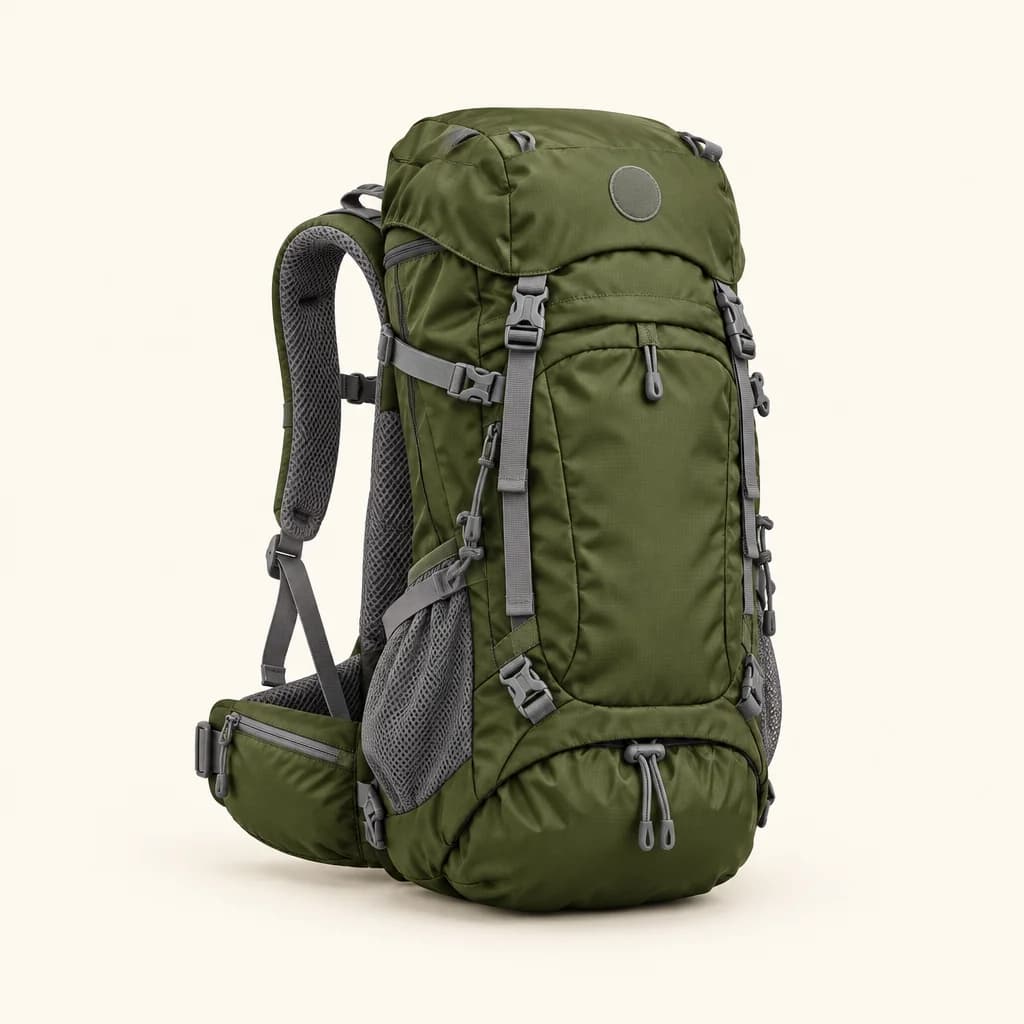
A good hiking pack carries the load on your hips, not your shoulders, and lets your back breathe. SAM hiking backpacks have a ventilated back panel, a supportive hip belt, compression straps and a rain cover, so you can focus on the trail.
Best for: Trekkers, campers and outdoor groups
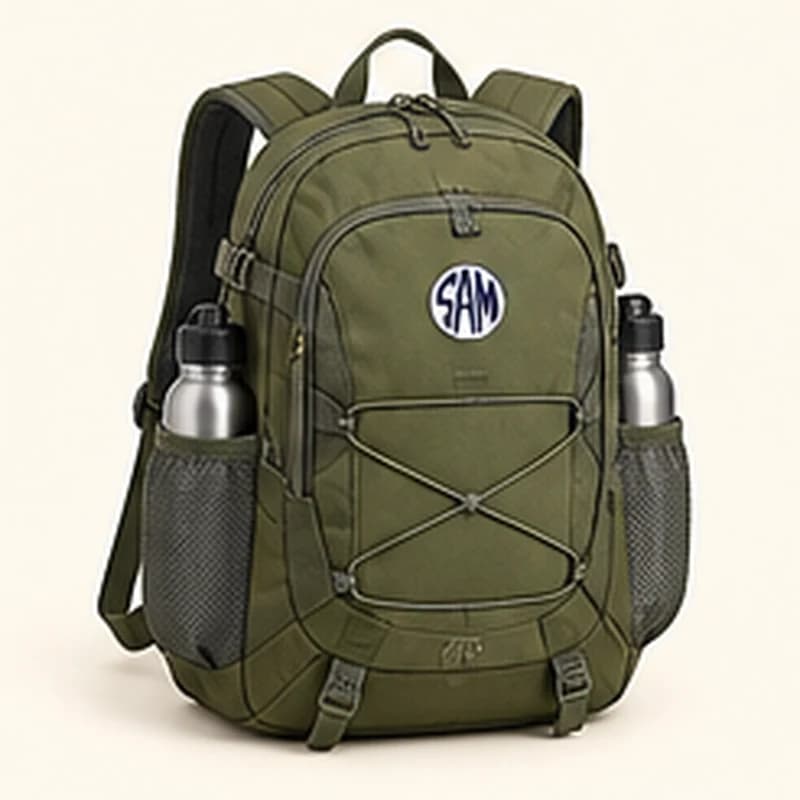
Around 20 to 30 litres suits a full day hike, 30 to 40 litres suits winter or heavier day loads, and 40 to 50 litres covers one or two nights with light gear.
Packs under 25 litres often skip the hip belt, which is fine for light loads. Above about 7 to 9 kg, a padded hip belt makes a real difference.
A mesh back panel and padded straps reduce sweat and rubbing on long climbs.
A built-in rain cover and water-resistant fabric protect your gear. Side pockets and compression straps help you organise water and layers.
Hiking backpacks in India face conditions that change fast: humid forest trails in the Western Ghats, dusty climbs in the Aravallis and cold, windy ridges in the Himalaya. A daily hiking backpack for weekend treks should be light when empty, sit close to your back and keep water within reach without taking the bag off. Side mesh pockets that hold a one litre bottle and a hip belt pocket for a phone or snacks are the features most trekkers use every hour.
A trekking bag for multi-day routes needs more structure. It should have a stiff back panel or frame sheet, load lifter straps at the top of the shoulder straps and a separate compartment at the bottom for a sleeping bag. Pack heavy items such as food and water in the middle, close to your spine, with light, bulky items below and a rain jacket on top where you can grab it quickly.
Fit matters more than features. Before a trek, load the bag with what you will actually carry and walk up and down stairs for twenty minutes. If the shoulder straps dig in or the bag pulls you backwards, tighten the hip belt first and then the load lifters. Small adjustments made at home save a lot of discomfort on the trail.
Order your hiking backpack from SAM with free delivery across India and cash on delivery. Try it at home with a full load, and if it does not fit you, return it with a free pickup. Every pack is covered by our warranty.
Use roughly 20 to 30 litres for a day hike and 40 to 50 litres for one to two nights. Trips of a week or more need 50 to 70 litres.
For light loads, no. For heavier loads, a hip belt carries the weight on your hips and saves your shoulders.
Yes. See the Bulk Orders page for group orders and branding.
A pack of about 20 to 30 litres with a ventilated back, side bottle pockets, a light hip belt and a rain cover suits most weekend treks near cities. Keep the empty weight low so you are not carrying extra fabric up the hill.
Yes. A smaller hiking pack works well as a travel daypack or weekend bag. Large trekking bags are awkward on buses and trains, so choose the size that matches how you will use it most often.
Our hiking backpacks range from budget packs for occasional hikers to premium trekking bags with more support, better fabric and extra features. The current price is on each product page, delivery is free and cash on delivery is available.
It depends on the model and quantity. Orders start at 25 pieces, models can be mixed, and the rate per piece improves as the quantity grows. Share your numbers through the Bulk Orders enquiry form and we reply within 1 working day.
We supply schools, institutes and companies with branded bags, delivered on time.
Request a bulk quote