Guides
Employee Welcome Kit Bags: How to Build a Joining Kit in India
Plan an employee welcome kit around a bag: picking the bag by role, kit tiers, shipping to remote joiners, eco-friendly choices and stocking for steady hiring.
Key takeaways
- An employee welcome kit is a set of branded, useful things a new joiner gets on or before day one. A bag makes the best anchor, because it's used every day and it carries everything else.
- Pick the bag by role. Engineers want a laptop backpack, sales and leadership suit a sleek business backpack or laptop bag, field staff need a tough everyday pack, and interns can go lighter.
- Set up two or three kit tiers (essential, standard, premium) using the same bag family, so every joiner gets a consistent welcome and the budget doesn't run away from you.
- For remote and hybrid joiners, get a confirmed delivery address early and pack the kit in a sturdy outer carton. Couriers handle boxes far more roughly than someone at the front desk.
- If you hire all year, order a base stock in a design you won't change for a year, then top up with smaller orders as headcount plans firm up.
What is an employee welcome kit, and why build it around a bag?
An employee welcome kit (you'll also hear joining kit, onboarding kit or new joinee kit) is a set of branded, useful items a company gives a new hire on or before their first day. The best ones are built around a single anchor item the person will use every working day. In India, that anchor is usually a bag: a laptop backpack, a business backpack or a laptop side bag.
Why a bag? It's used daily, so your logo rides the metro, sits in the cab and walks into client meetings. It holds the rest of the kit, so the unboxing feels complete instead of scattered. And a well made bag lasts for years. That first impression keeps working long after everyone's forgotten the welcome email.
One note before we start: this guide is about onboarding, not festive gifting. If you're planning Diwali or year-end gifts for clients and teams, our corporate gifting bags guide covers that on its own.
Which bag should you choose for each role?
One bag for everyone is easier to order. It just rarely suits everyone. An engineer commuting with a 15.6 inch laptop and a chunky charger brick needs something different from a sales executive who carries a tablet into client offices. The sensible middle path is one bag family in two or three styles, all branded the same way.
| Role | Recommended bag | What to check |
|---|---|---|
| Engineers and developers | Padded laptop backpack | Laptop compartment sized for the issued machine, charger pocket, comfortable straps for long commutes |
| Sales and client-facing staff | Slim business backpack or laptop side bag | Clean, professional look, quick-access front pocket, trolley sleeve for frequent travel |
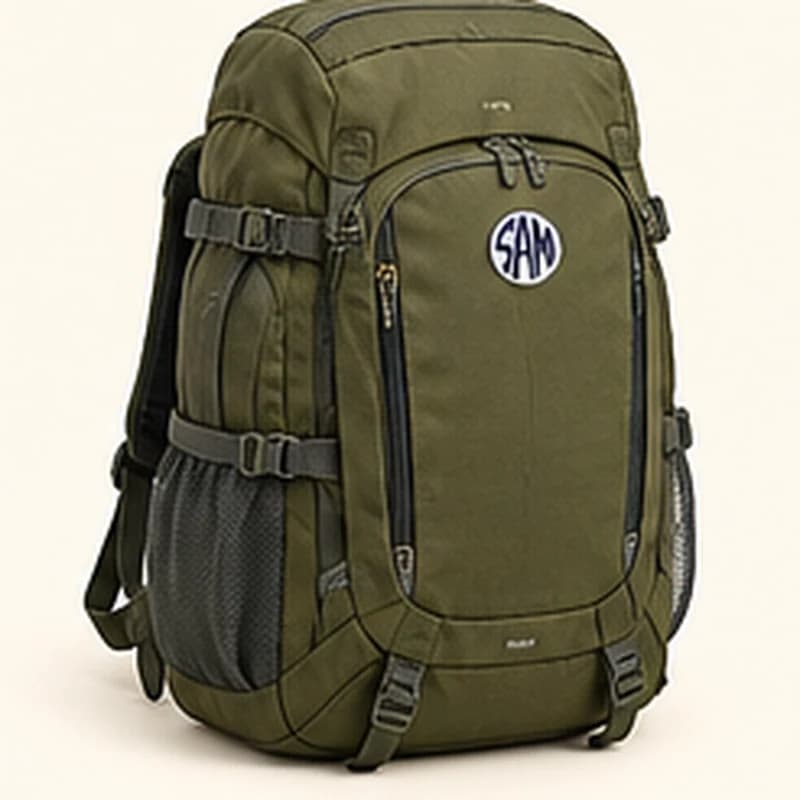
| Field staff and service teams | Tough everyday backpack | Heavier fabric, reinforced base, water-resistant finish for the monsoon, bar tacks at strap joints |
| Interns and trainees | Lighter everyday or college-style backpack | Good value, enough room for a laptop and notebook, same branding as the main range |
| Leadership and senior hires | Premium business backpack or laptop bag | Better materials and hardware, discreet logo placement, organised interior |
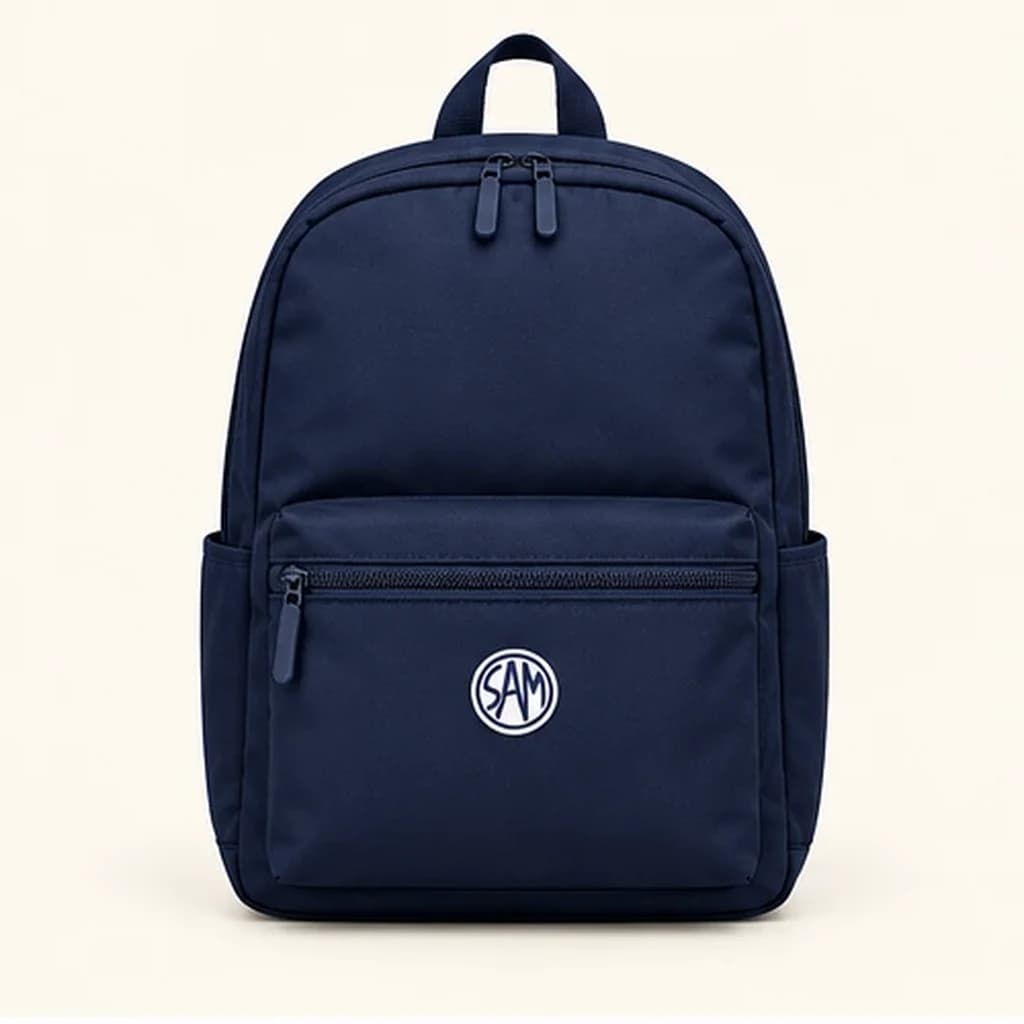
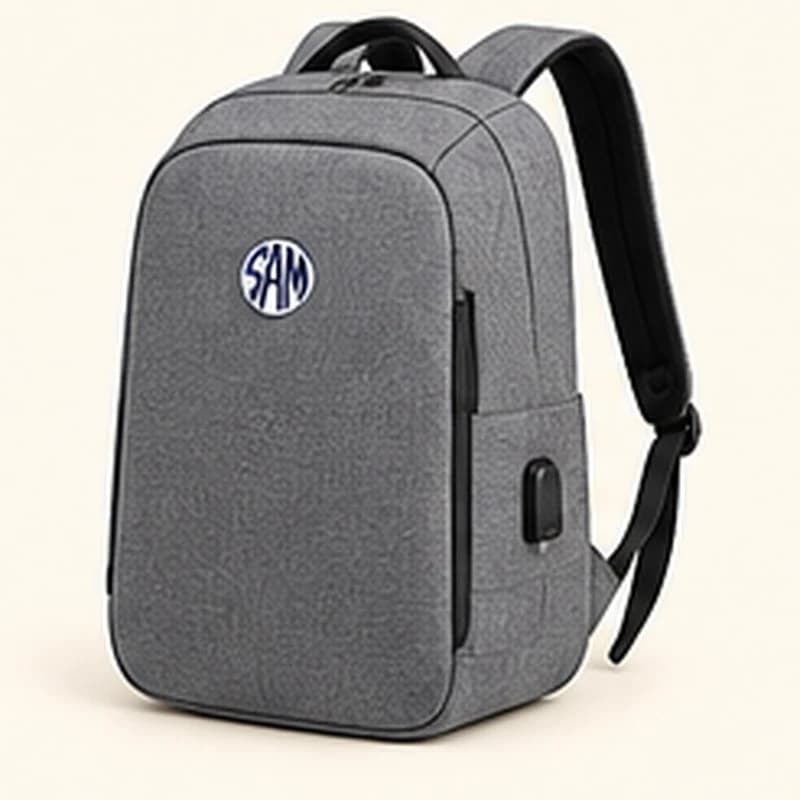
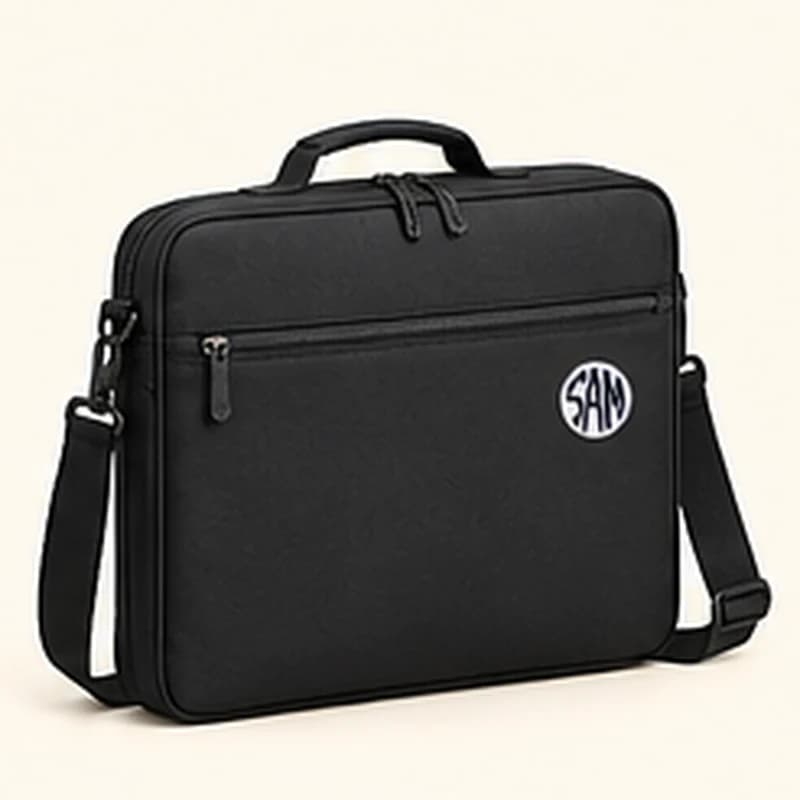
Before you finalise anything, check which laptop model your IT team actually issues. A compartment that's 1 cm too small is the complaint we hear most about welcome kit bags. You can browse business backpacks, laptop backpacks and laptop side bags, and our laptop backpack buying guide goes deeper on padding, sizing and zips.
What goes inside a new joinee kit
We use one simple test for onboarding kit ideas: will the new joiner still be using this in six months? If not, leave it out. Everything below passes that test for most office and hybrid roles in India.
- A steel or insulated water bottle that fits the bag's side pocket. Measure the pocket before you order both, it's an easy thing to miss.
- A sturdy A5 notebook and a pen. People still use them in meetings and training sessions, even in tech teams.
- A zipped pouch for chargers, earphones and small bits, so the bag stays tidy.
- A small cable organiser, roll or case. Engineers and hybrid staff especially like this one.
- ID lanyard and card holder: useful from day one, and worn daily in most Indian offices and campuses.
- Welcome card: a short handwritten or printed note from the manager or founder. It costs almost nothing, and it's often the thing people remember most.
Most companies end up with two or three tiers. That keeps kits consistent without stretching the budget. Treat the tiers below as a starting point, not a rule, and adjust them to your culture and headcount.
| Tier | Bag | Other items | Best for |
|---|---|---|---|
| Essential | Everyday branded backpack | ID lanyard, notebook and pen, welcome card | Interns, trainees, large campus or batch hiring |
| Standard | Padded laptop backpack or laptop side bag | Essential items plus water bottle and pouch | Most full-time joiners across teams |
| Premium | Premium business backpack or laptop bag | Standard items plus cable organiser and an upgraded bottle | Senior hires, leadership, key lateral joiners |
Where you can, keep the same bag family across every tier. When an intern and a director carry clearly related bags, it feels like one company saying welcome, not a hierarchy on display.
Sending welcome kits to remote and hybrid joiners
Plenty of Indian companies now hire people who won't set foot in head office during their first month. Their kit arrives by courier at home, often in another city or a smaller town. So the logistics matter just as much as what's in the box.
- Get the address early. Ask for the delivery address, a phone number and a preferred delivery window in the offer acceptance form, not in the first-week checklist.
- Check the PIN code is serviceable. Some remote PIN codes take longer or need a different courier partner, so confirm this before you promise a day-one arrival.
- Pack for the courier, not the desk. Use a corrugated outer carton, fill the empty space so nothing slides around, and seal the bottle separately in case it leaks.
- Aim to arrive before day one. A few days early is ideal, so the laptop bag is ready when the laptop turns up.
- Send the joiner the tracking link. It's a small message, and it saves missed deliveries and repeat attempts.
Hybrid joiners who come in during week one can just pick their kit up. Keep a small pre-packed buffer at each office so nobody's left waiting on a courier.
Branding a welcome kit bag so people actually use it
The quickest way to waste a welcome kit is to cover the bag in logos. New joiners are happy to carry a well designed bag with a neat brand mark. A loud, oversized print, though, tends to stay home at weekends, and then for good.
- Keep the main logo small to medium, on the front panel or the top flap. Not splashed across the whole bag.
- Go tone-on-tone for leadership and client-facing teams, say a dark grey logo on a black bag.
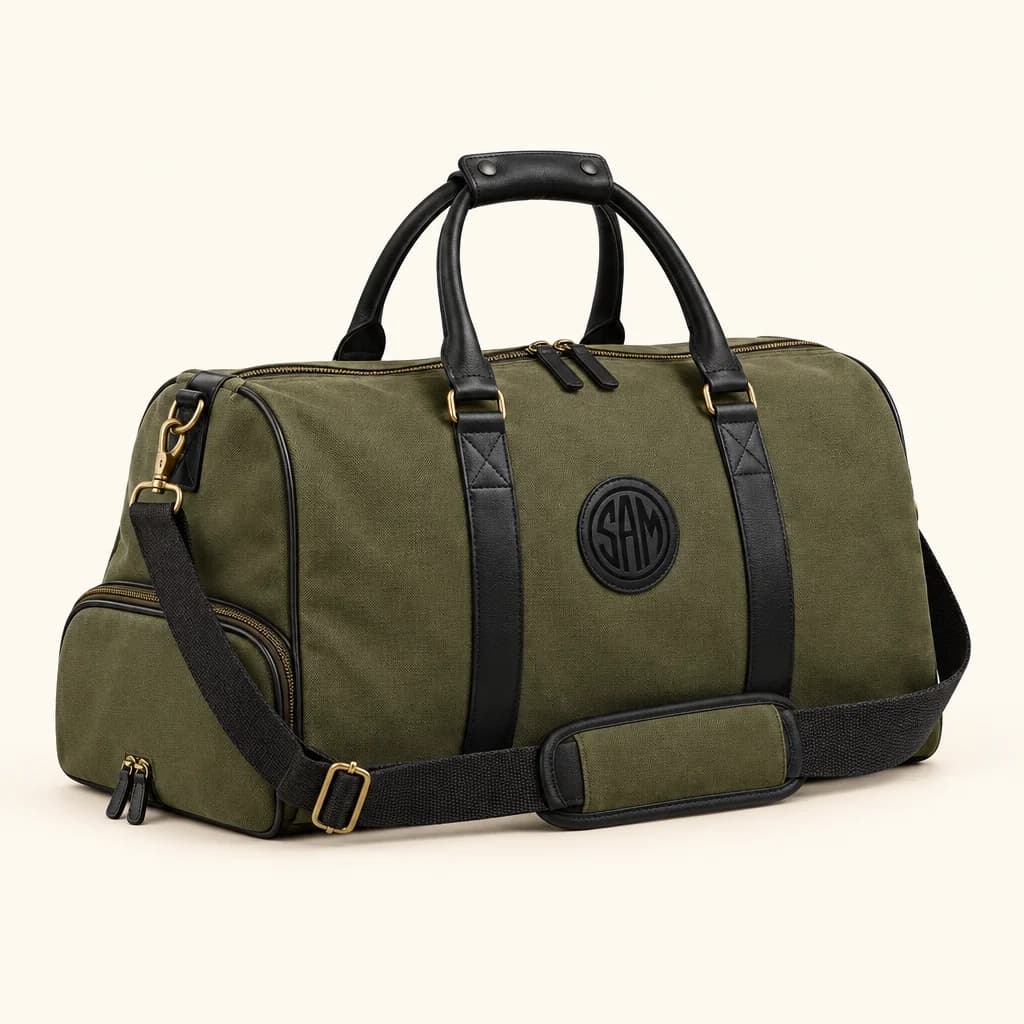
- Embroidery or a woven or rubber patch feels premium, and it survives daily use and the monsoon.
- If you want a little extra, put a small secondary touch like the company tagline inside a pocket. People who like it will find it, and the outside stays clean.
Different branding methods suit different fabrics and logo designs. Our post on embroidery vs printing on bags compares durability, detail and cost, and the custom logo bags page lists what's available.
Can an employee welcome kit be eco-friendly?
Yes. And the greenest choice is usually the simplest: give fewer things, make them last, and skip the single-use extras. Of all the eco friendly corporate gifts out there, a solid bag that gets carried for years does more good than a box of novelties that's forgotten by Friday.
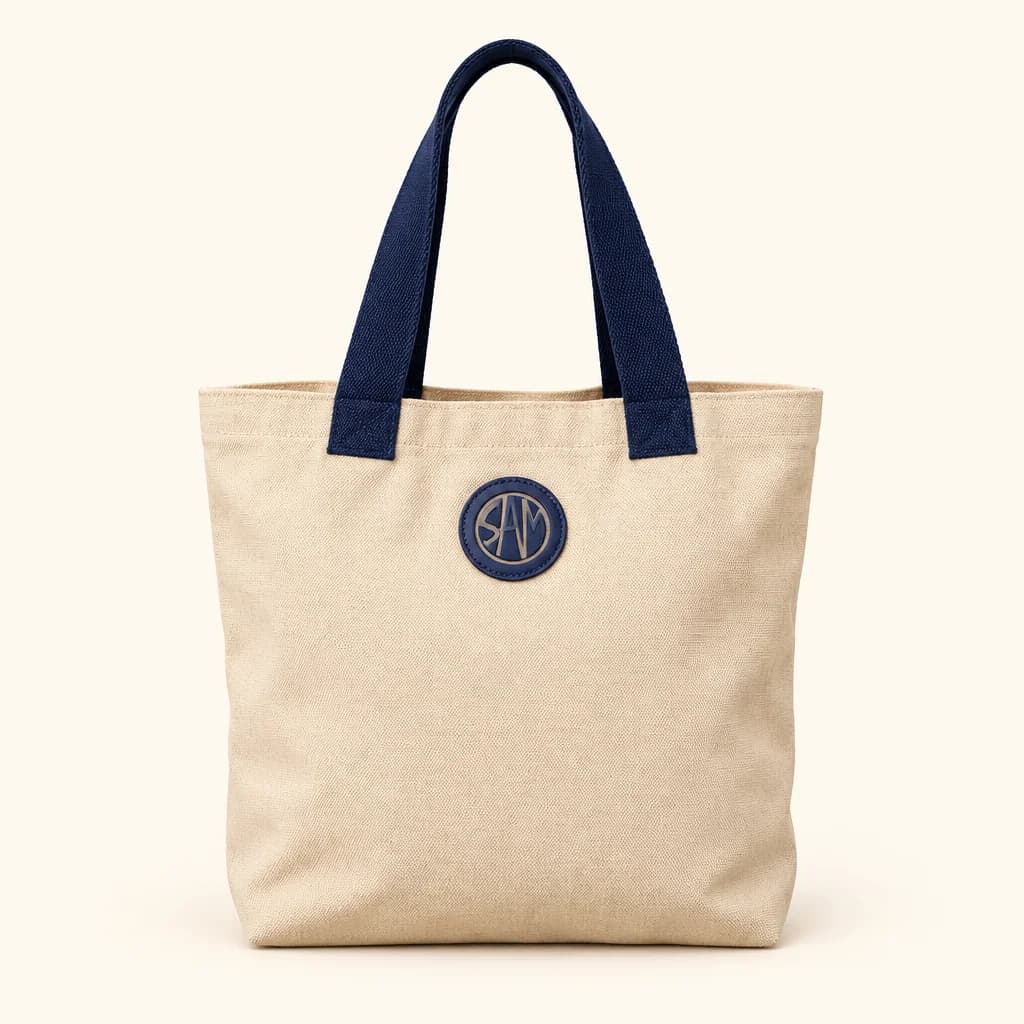
- Cotton canvas bags: natural fibre, nice for totes and casual backpacks, and a lot of people like the look. Have a look at our canvas bags range.
- Recycled polyester: made from recycled plastic, and it works well for laptop backpacks that need some water resistance.
- Fewer single-use items. Skip plastic pens, stickers and anything people will bin within a week.
- Reusable packaging. Use a cloth dust bag, or the tote itself, as the gift wrap instead of plastic film and layers of tissue.
A few honest caveats. Cotton canvas needs more care in the monsoon, and it can stain or stay damp if it isn't dried properly. Recycled polyester claims vary from mill to mill, so ask your supplier what the fabric really is rather than trusting a label. And a bag that wears out in six months isn't sustainable, whatever it's made of. Build quality matters more than the material story.
Not sure how to judge build quality? Our guide on how to identify a good quality bag walks you through the stitching, zip and fabric checks.
How much welcome kit stock to keep for continuous hiring
If you hire every month, your problem looks different from a company running one big campus drive. Ordering a few kits every time a joiner is confirmed is slow and costly. But ordering a whole year's worth at once ties up budget and storage, and headcount plans change.
What works well is base stock plus top-ups. Order a base quantity that covers your next two to three months of confirmed and likely joiners, then place smaller top-up orders as hiring firms up. You can mix styles in one order, say laptop backpacks and side bags, to reach volume pricing without overstocking any single item.
- Freeze the bag design, colour and logo placement for at least a year, so top-ups match the earlier batch exactly.
- Keep the approved sample and the written specification on file, and point to them in every repeat order.
- Where sizes vary (laptop compartments for 14 and 15.6 inch machines, for example), stock them in proportion to what IT hands out.
- Track kits issued against joiners each month. You want to reorder before the shelf is empty, not after.
- Store bags in a dry room, off the floor, especially through the monsoon. Mould and musty smells are hard to get rid of.
For a fuller list of things to decide before a bulk order, use our bulk bag order requirements checklist.
Timeline and budget for a joining kit
Start from the first joining date and work backwards. A branded bag order needs time for the quote, sample production, your internal sign-off, the bulk run, quality checks and delivery. Then add packing and courier time for remote joiners.
- Weeks 1 to 2: settle roles, tiers and quantities, share your logo and laptop sizes with suppliers, and get quotes in.
- Weeks 2 to 3: receive a physical branded sample and approve it. Test the fit with a real company laptop.
- Weeks 3 to 6: bulk production and dispatch, usually a few weeks after sample approval depending on quantity and branding.
- Final week: put the kits together, pack them for courier and ship so they land before joining day.
For budget, plan per joiner per tier rather than one big total. The bag is usually the biggest single cost in the kit, so it deserves the most thought. We'd rather see a good bag on its own than a cheaper bag padded out with several flimsy extras. Don't forget packaging, courier charges for remote joiners and a small buffer for replacements.
Tax on bags depends on the HSN code and the material. So check the GST line on each written quote instead of assuming one rate across the whole kit.
How do you know if your welcome kit is working?
Next to the cost of hiring, a welcome kit is a small spend. It's still worth checking that it lands. You don't need a formal study. A few simple signals tell you most of what you need to know.
- Day-one readiness: did every joiner, remote ones included, get the kit on or before their first day?
- Visible use. A month or two in, are the bags being carried around the office and at offsites?
- Feedback. Add a question or two about the kit to the 30-day onboarding survey you already run.
- Complaints and replacements: keep track of damaged deliveries, wrong sizes and quality issues by batch.
- Social shares. Some joiners post unboxing photos on LinkedIn, which is a good sign the kit felt worth showing off.
Look at these once or twice a year and tweak the next order. Usually the fix is small: a different mix of laptop sizes, a better bottle, a quieter logo.
How SAM handles welcome kit bag orders
We supply branded bags for employee welcome kits through our bulk orders service. Bulk orders start at 25 pieces, and you can mix different products, like laptop backpacks and side bags, in one order. They all count together for volume pricing.
- Branding by embroidery, screen printing, heat transfer, woven or rubber patch, or metal badge.
- You get a physical branded sample to approve before the full run.
- Dispatch is usually 7 to 21 days after sample approval, and we confirm it in the written quote.
- Every piece is inspected for stitching, zips and finish before it leaves us.
- There's a GST invoice with every bulk order, and one order can be split across several delivery addresses.
Want to talk through a joining kit for your team? Send us your roles, quantities and logo through the enquiry form and we'll reply within 1 working day. The corporate gift bags page also shows styles that work well in welcome kits.