Guides
Conference and Event Bags in India: A Planner's Checklist for Delegate Kits
How to choose conference bags and event bags with logo in India: bag type by event, delegate kit contents, sponsor branding, headcount, delivery and a timeline.
Key takeaways
- Pick the bag for the event. A canvas or cotton tote is fine for a one-day seminar, a laptop sleeve or document bag fits a professional conference, and a backpack makes sense when the event runs several days or involves travel.
- Keep the delegate kit small: agenda, notepad, pen, water bottle and lanyard. Only add sponsor inserts people will actually read.
- Order for confirmed delegates plus a buffer of 5 to 10 percent. That covers walk-ins, speakers, volunteers and the odd damaged piece.
- Get the bags to the venue one to two days early so you've got time to stuff, count and stack kits by registration desk.
- For custom branded bags, start about six to eight weeks before event day. You'll need that room for sample approval and production.
- A bag people keep for work or college carries your logo for far longer than the event lasts.
What is a conference bag, and which one should you choose?
A conference bag (you'll also hear delegate kit bag or event bag) is the branded bag each attendee gets at registration. It holds the agenda, stationery and sponsor material for the day. Which one you choose comes down to how long the event runs, who's coming, and whether you'd like people to keep using it afterwards.
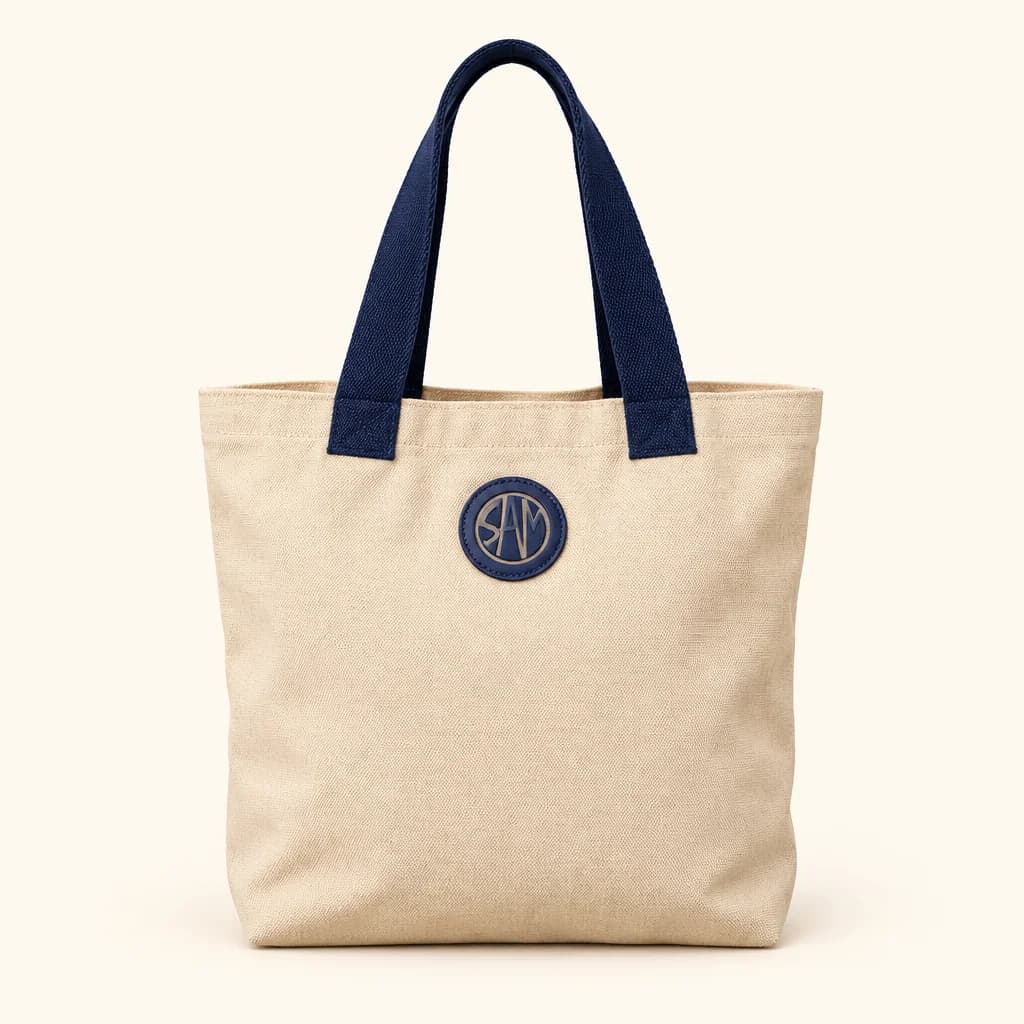
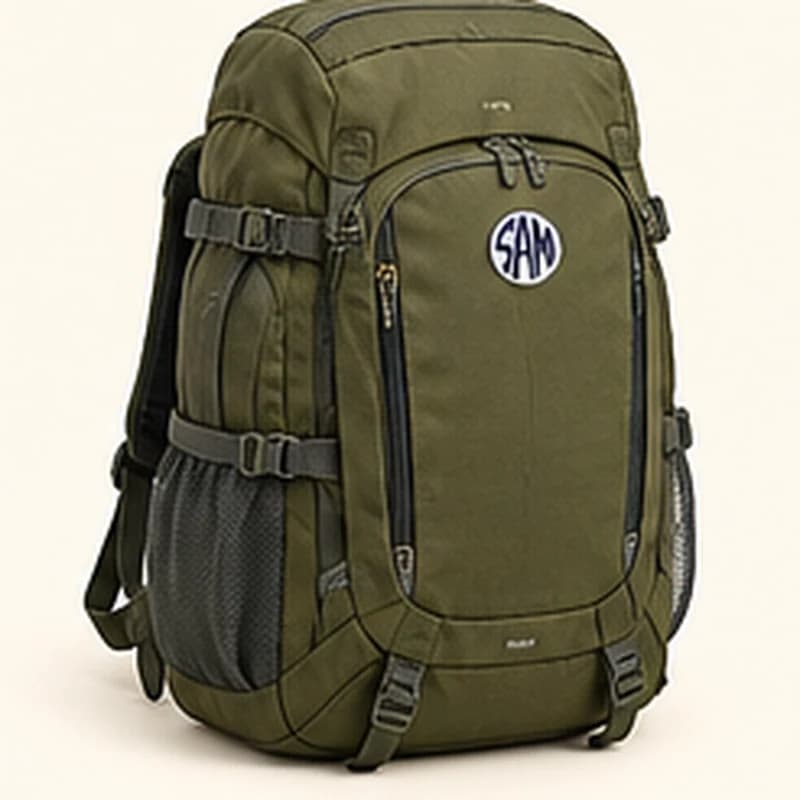
A printed canvas or cotton tote usually does the job for a one-day seminar or college fest. At a professional conference where delegates carry laptops, a laptop sleeve bag or document bag earns its place. And for multi-day events, offsites or trade shows with lots of walking, we'd go for a backpack.
Here's the simplest test we know. Would a delegate use this bag next Monday? If yes, your logo keeps travelling long after the event's over.
Matching the bag to the event and audience
Event bags in India come in five broad types, and each one suits a different audience, budget and load. So start with the event, not the catalogue.
| Bag type | Best for | Audience | Why it works |
|---|---|---|---|
| Canvas or cotton tote | One-day seminars, workshops, college fests, literature and cultural events | Students, general public, mixed audiences | Light, easy to brand on a large flat face, reused for shopping and daily errands |
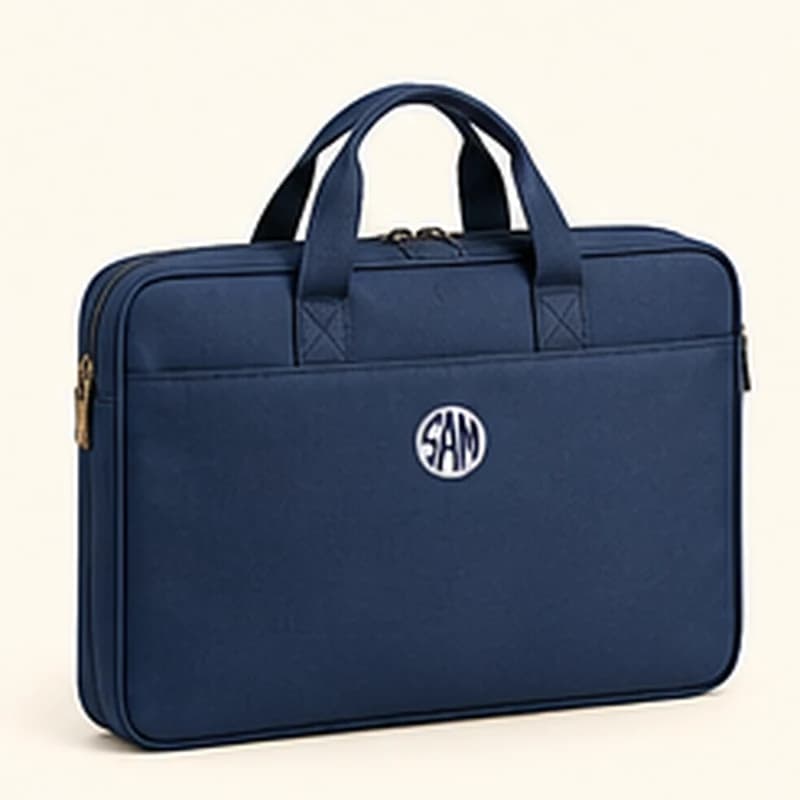
| Laptop sleeve bag | Tech conferences, product launches, partner meets | Working professionals, IT and startup audiences | Protects a laptop, slips into a larger bag, feels like a useful gift |
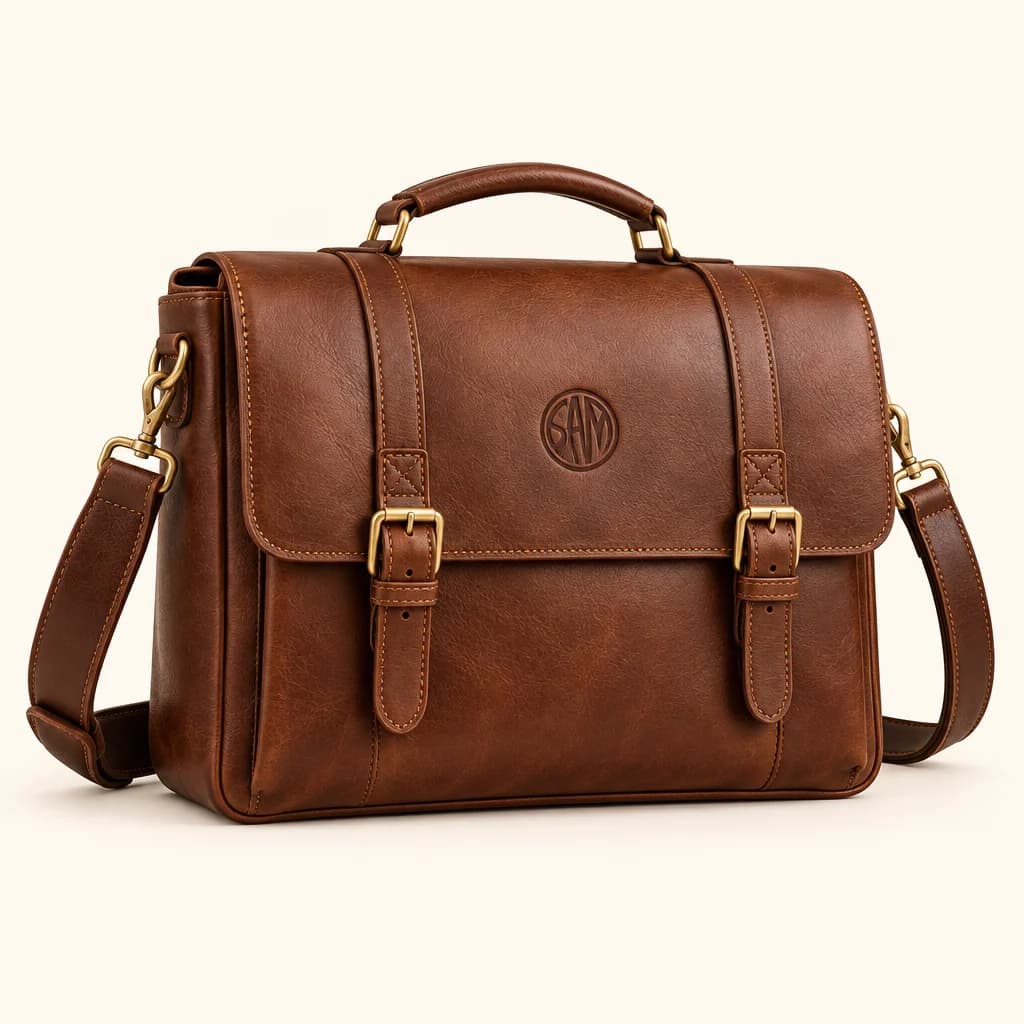
| Document or conference bag | Medical, legal, academic and government conferences, AGMs | Senior delegates, doctors, faculty, officials | Holds A4 papers flat, has a zip and handles, looks formal |
| Drawstring bag | Marathons, sports days, school events, youth fests | Students, runners, volunteers | Very light, low cost per piece, easy to carry while moving |
| Backpack | Multi-day conferences, offsites, trade shows, dealer meets with travel | Delegates who travel or walk exhibition halls | Spreads weight on both shoulders, used daily for work or college afterwards |
Stuck between two? Go with the one your audience already uses every day. Professionals tend to hang on to laptop bags and backpacks, students keep totes and backpacks, and a drawstring bag often ends up as a gym or sports bag at best. Have a look at tote bags, canvas bags and laptop side bags to see the shapes and sizes.
If your audience is mixed
Lots of events have tiers: general delegates, speakers, VIPs and sponsors. A common setup is a tote for everyone and a better laptop bag or backpack for speakers and VIPs. Mixed products in one bulk order count together for volume pricing, so splitting by tier rarely costs as much as planners expect.
What should go in a delegate kit?
Short and useful beats big and stuffed. People remember a kit for the one or two things they actually used, not for how heavy it was. Put in what they'll need during the event and might keep after it.
- An agenda or programme booklet with the hall map, session timings and Wi-Fi details.
- A notepad. A5 is easier to write on in a crowded hall than A4.
- A pen, or better two, because the first one always goes missing.
- A reusable water bottle, which cuts down on plastic at the venue.
- A lanyard and name badge, though these are sometimes handed out separately at the desk to speed up check-in.
- Sponsor inserts, ideally one sheet or card per sponsor.
- Optional extras like a small snack, a USB drive or QR card with the presentations, a phone stand, or a local gift for outstation delegates.
Think about the weather, too. At a monsoon event, a compact umbrella or a zip pouch for phones and papers is far more useful than another brochure. In a north Indian summer, a bottle and a cap often get used on day one.
Co-branding the bag with sponsors
Co-branding just means the event logo and one or more sponsor logos share the same bag. Get it right and sponsors see real value. Get it wrong and you've made a cluttered billboard nobody wants to carry twice.
Placement rules that keep the bag usable
- Give the event or host brand the main face of the bag, centred and a decent size.
- Put sponsor logos on the back panel, a side gusset or a slim strip along the bottom.
- Don't crowd one face. Three or four logos is about the most that still looks clean.
- Agree the logo order with sponsors in writing before artwork starts, so nobody reshuffles it at the last minute.
- Ask every sponsor early for vector artwork (AI, EPS, PDF or SVG) and their approved colour codes.
One-colour or multi-colour printing?
With one-colour printing, every logo goes down in a single ink, often white on a dark bag or black on natural canvas. It looks tidy even with lots of sponsors, it costs less and it's quicker to set up. Multi-colour printing shows each brand in its own colours. Sponsors often prefer that, but in screen printing every extra colour can add setup work and cost.
A sensible middle ground is the host logo in full colour on the front and every sponsor logo in one colour on the back. Our guide to embroidery versus printing on bags goes deeper on methods, and custom logo bags shows placement options across bag types.
How many bags to order, and how to pack the kits
Start with confirmed registrations. Then add everyone else who needs a kit: speakers, VIPs, sponsor staff, volunteers, media and organisers. On top of that you'll want a buffer for walk-ins and damaged or misprinted pieces. 5 to 10 percent is typical, and more for free or open events, where walk-ins are hard to guess.
- Take the confirmed delegate count from your registration system.
- Add speakers, VIPs, sponsor staff, volunteers and media.
- Add a walk-in and spare buffer, usually 5 to 10 percent.
- Round up to a number that's easy to pack, like the nearest 25 or 50.
- If you've got tiers, keep a short list of who gets the upgraded kit.
On size, the bag has to hold the biggest thing in the kit without a struggle. If the agenda's A4, it needs to go in flat without bending, and a tote roughly 14 to 16 inches wide is common for that. For laptop bags, check against the laptops your audience usually carries, often 14 to 15.6 inches. Sizes vary by design, so always confirm the internal dimensions on the sample.
Pre-stuffing the kits
Pre-stuffing means every item goes into every bag before the event, so the registration team just hands over a finished kit. Nothing else saves as much time on the day. Set up a small assembly line with one person per item, and count finished kits in stacks of 25 so the totals are easy to check.
Make tier kits easy to tell apart, say with a coloured tag or sticker on VIP and speaker kits. And leave a few bags empty in case a sponsor insert turns up late.
Delivery, storage and handing out the bags
Plan for the bags to reach the venue, or your office near it, one to two days before the event. That's time to count cartons, stuff kits and sort out surprises before a queue starts forming. Morning-of delivery leaves you no room at all.
Hotels and convention centres often have delivery rules: set receiving hours, a loading bay and a named contact. Check them ahead of time and pass the details to your supplier. Running events in several cities? Ask whether one order can be split across several delivery addresses. Our cities page lists where we deliver regularly.
Storage at the venue
- Ask for a room you can lock, close to the registration area.
- Keep cartons off the floor if there's any chance of damp, especially in the monsoon.
- Label the stacks clearly: general, speaker, VIP, sponsor, spares.
- Write the total count on the door so anyone can check stock quickly.
At the registration desk
Keep the kits behind the desk, not in front, so they only go out after check-in. At big events, split the desks alphabetically or by registration type and give each one its own stack. A tally sheet per desk tells you how many kits have gone out and how many spares are left at any point in the day.
Making event bags more sustainable
The greenest event bag is the one people keep using. A sturdy tote, laptop bag or backpack in daily use avoids the waste of a flimsy bag binned after a day. It also keeps your brand in sight for months.
- Choose a bag your audience will reuse, even if it costs a little more per piece.
- Keep the branding tasteful so people are happy to carry it outside the event.
- Cut single-use inserts. Swap brochures for QR cards and one shared sponsor booklet.
- Hand out a reusable bottle and set up refill points at the venue.
- Collect unused kits at the end, and keep spare bags for future events, staff or volunteers.
One small trick we like: leave the date off the bag. If it only shows the event or company name, you can use it for next year's edition or for internal teams. A dated bag is stuck with that one year.
What do event bags cost at different budget levels?
Price depends on bag type, material, size, branding method and quantity, so tiers are more useful here than fixed numbers. To compare options fairly, ask for a written quote using your real quantity and artwork.
At the entry tier you're looking at drawstring bags and simple printed totes with one-colour branding. They work well for student events, sports days and big open seminars where volume is high.
The mid tier covers thicker canvas totes, zip document bags and laptop sleeves, often with multi-colour printing or a patch. That's right for most professional conferences and corporate seminars.
At the premium tier you've got laptop backpacks, business backpacks and well finished laptop bags with embroidery or a metal badge. It's the pick for speakers, VIPs, leadership summits and dealer meets. Our corporate gifting bags guide and corporate gift bags page go into this tier in more detail.
Event bag timeline and printable checklist
Working back from event day keeps the whole order calm. Treat the timings below as a guide for custom branded bags. Your supplier's written quote should confirm the actual dispatch window.
| When | What to do |
|---|---|
| 8 weeks before | Fix the bag type, budget tier and rough headcount. Request quotes. |
| 7 weeks before | Collect vector logos from the host and all sponsors. Agree logo placement. |
| 6 weeks before | Approve artwork. Confirm order quantity with buffer. Place the order. |
| 5 weeks before | Check and approve the physical branded sample. |
| 4 to 2 weeks before | Production and inspection. Order kit items: agendas, notepads, pens, bottles, lanyards. |
| 1 week before | Confirm venue delivery rules, receiving contact and storage room. |
| 2 days before | Bags and kit items arrive. Count cartons and check a few pieces. |
| 1 day before | Stuff kits, label tiers, stack by desk. |
| Event day | Distribute at registration. Track counts per desk. |
| After the event | Collect spares, note final counts and lessons for next time. |
Printable event bag checklist
- Bag type chosen for the event length and audience.
- Tiers decided: general, speaker, VIP, sponsor.
- Headcount confirmed, with a 5 to 10 percent buffer.
- Host and sponsor logos received in vector format.
- Logo placement and print colours agreed in writing.
- Sample received, checked for size, stitching and print, then approved.
- Kit contents finalised and ordered: agenda, notepad, pen, bottle, lanyard, inserts.
- Delivery address, date and venue receiving rules shared with the supplier.
- Storage room booked near registration.
- Stuffing team and time slot sorted.
- Desk tally sheets ready.
- A plan for leftover kits after the event.
Want to know what suppliers usually ask for before quoting? Our bulk bag order requirements checklist covers it.
How SAM handles conference and event bag orders
We take bulk orders from 25 pieces. You can mix different products in one order and they count together for volume pricing, which helps when you want totes for delegates and backpacks for speakers. For branding we do embroidery, screen printing, heat transfer, woven or rubber patches and metal badges.
Before the full run, we send you a physical branded sample to approve. Dispatch is usually 7 to 21 days after that approval, and the exact window is confirmed in the written quote. We inspect every piece for stitching, zips and finish before it leaves. Every bulk order comes with a GST invoice, and for multi-city events one order can go to several delivery addresses.
For a quote, send us your dates, headcount and logos through the bulk enquiry form. We'll reply within one working day.